
Knowledge Explainer Images and Fiction Illustrations:The Grain Buds Solar TermAnd a Kunlun Xianxia Hands-On
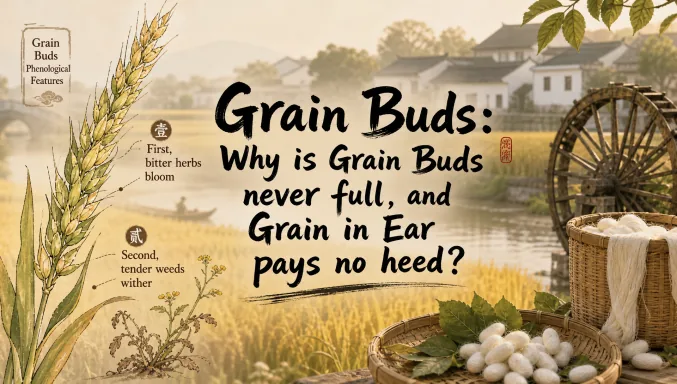
The key to an explainer image is “rigor + accessibility”: a clean color system, clear annotations and a minimal visual style let users of all backgrounds quickly grasp the core information. The key to a fiction illustration is “fidelity + imagination”: stay close to the core scenes and characters while keeping a concrete but not restrictive scale.
What You’ll Take Away
Explainer Hands-On: A Grain Buds Solar-Term Illustration
A knowledge explainer image is the core aid for making specialized knowledge accessible — it turns abstract scientific principles, complex concepts and obscure natural phenomena into intuitive, easy-to-grasp visual language. It must balance rigor and accessibility: follow knowledge accuracy strictly while using a clean color system, clear annotations and a minimal visual style so users of all backgrounds can quickly grasp the key information. Let’s start with a solar-term hands-on.
Step 1: open Puyo AI’s image generation interface, click the “Model” button, set the image model to “Puyo AI Standard”, and enter the prompt in the input box:
Real-scene background of Jiangnan rice fields in warm yellow tones. Black artistic title text in the center: “Grain Buds: Why is Grain Buds never full, and Grain in Ear pays no heed?” On the left, hand-drawn wheat ear illustration marked with the phenological features of Grain Buds: “First, bitter herbs bloom; second, tender weeds wither”. Traditional elements including water wheel and silkworm cocoons decorate the right side. The background is softly blurred to highlight the main subjects. Simple and warm style, suitable for science popularization illustrations. Combining old farming proverbs and phenological knowledge, the mix of real scenery and hand-drawn artwork boosts visual depth. It carries the essence of traditional culture and appeals to folk custom lovers and cultural tourism audiences.
How to: set the model to “Puyo AI Standard”, enter the prompt, set the ratio to 16:9, the resolution to 2K, and the number of images to 1, then click “Create”.

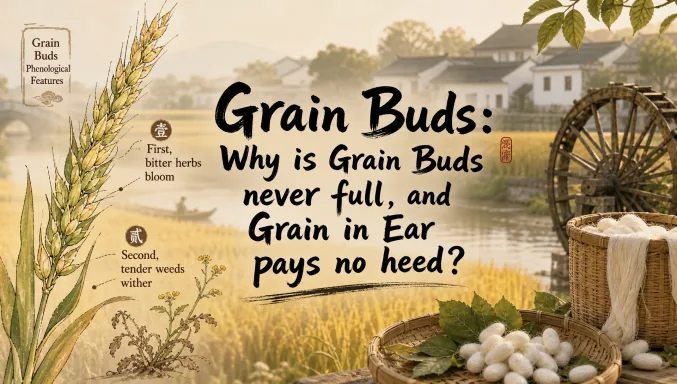
Figure 1-23: The Grain Buds Illustration — A Three-Layer Structure of Photo Base, Illustration Annotations and Element Accents
This prompt is worth a close look: it splits the picture into three layers — the photo layer (warm-yellow rice-field background), the knowledge layer (artistic title + phenology annotations) and the culture layer (waterwheel and silkworm-cocoon elements). Knowledge accuracy is guaranteed by original-text annotations like “first pentad: sow thistles bloom; second pentad: tender grasses wither”, and the cultural feel comes from traditional accents — rigor and beauty don’t conflict in an explainer image.
Four Explainer Illustration Types: Diet, Geography, Architecture and Personal Finance
Beyond solar terms, there are four other common explainer image types:Diet CategoryShow food pairings and nutritional structure to reinforce the practical value of the explainer;Geography CategoryCombine landforms with location markers to convey geography knowledge clearly;Architecture CategoryHighlight building structure and stylistic features to show professional detail;Personal Finance CategoryUse data charts and core formulas to boost the credibility of the content:

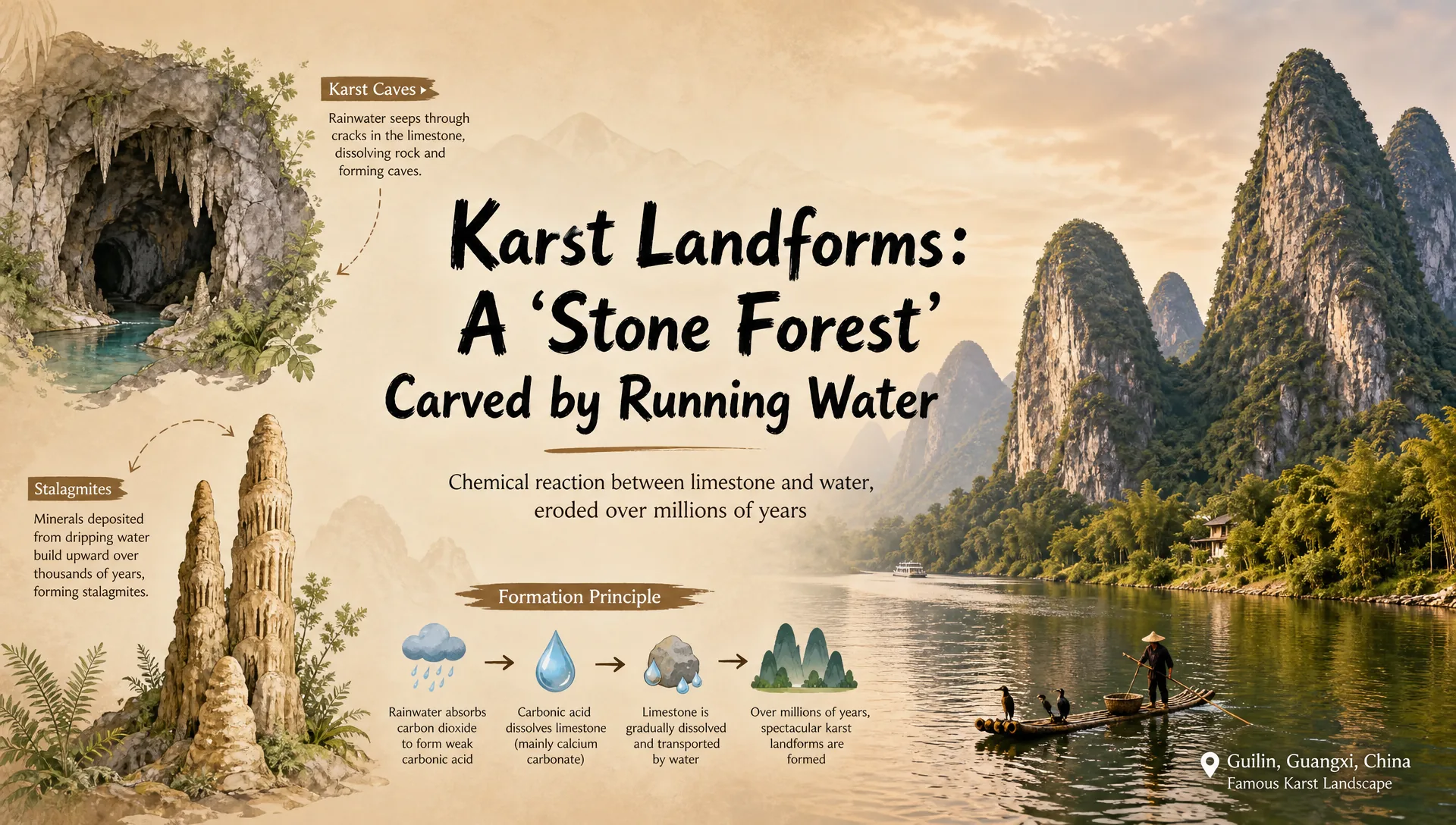
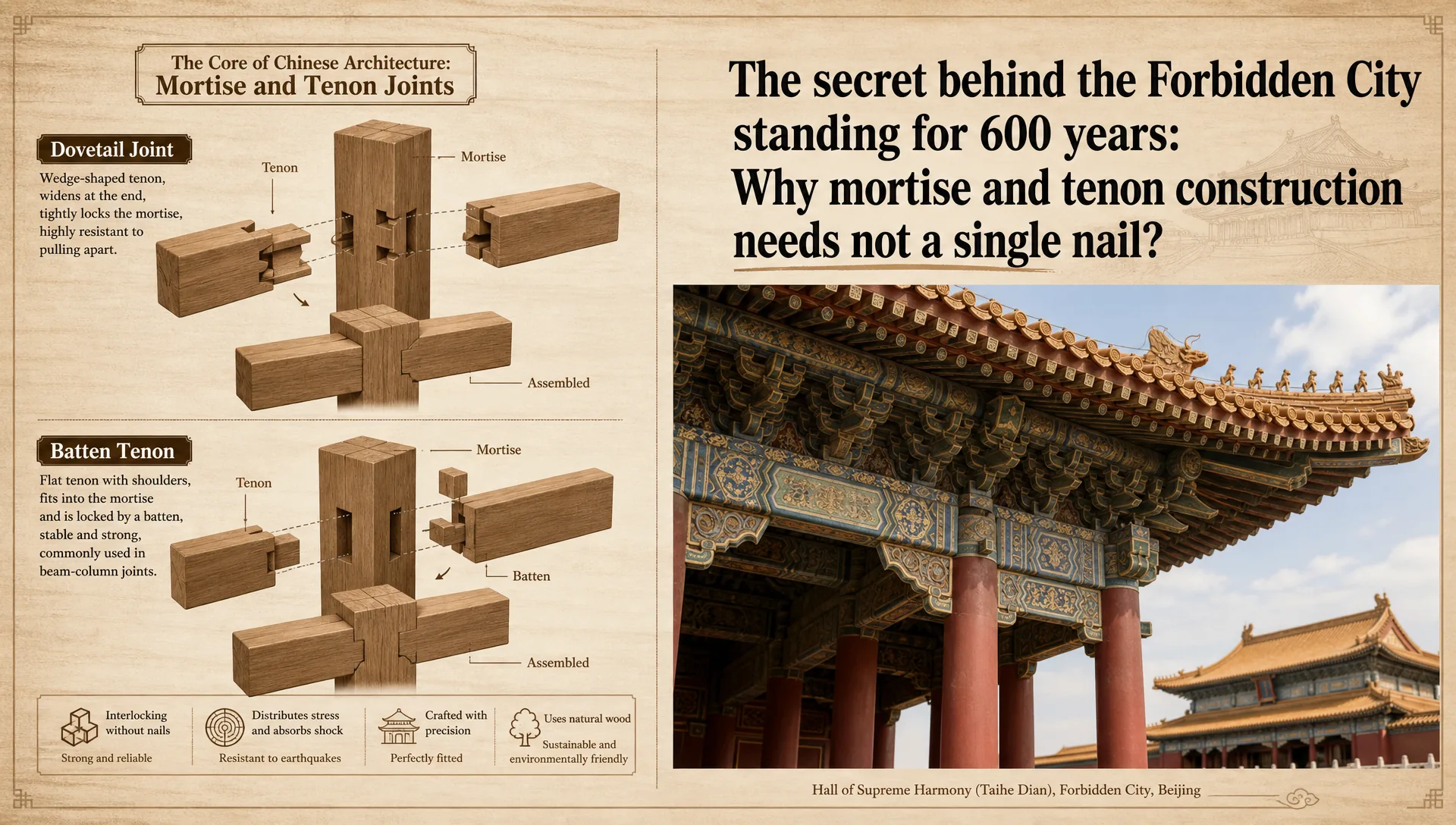
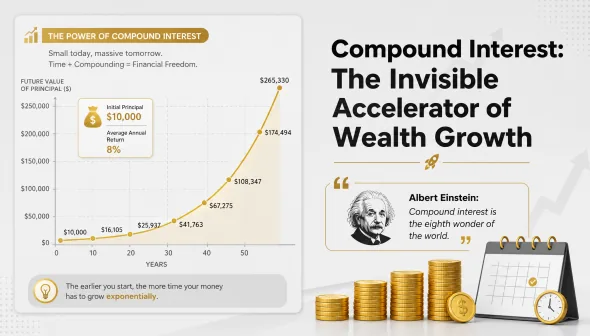
Figure 1-24: Four Explainer Illustration Types — Different Knowledge, the Same Rigorous Foundation
Fiction Illustration Hands-On: Kunlun Xianxia
Fiction story illustrations are a visual extension of the written scene — through concrete scene reconstruction, character building and atmosphere, they pull readers quickly into the story world. They must fit the genre tone and core plot while balancing fidelity and artistry: stay close to key scenes, characters or plot beats, yet keep a “concrete but not restrictive” scale that leaves room for the reader’s imagination. Let’s start with a xianxia hands-on.
Step 1: open Puyo AI’s image generation interface, click the “Model” button, set the image model to “Puyo AI Standard”, and enter the prompt in the input box:
At the summit of Kunlun Snow Mountain, an immortal master in white robes stands on overhanging ice. Wide sleeves billow in the wind, and a silver cloud-shaped ribbon is tied in his hair. Beside him, a red-crowned crane flies past, holding a snow lotus in its beak. Surging sea of clouds and snow-capped peaks form the background, with the faint silhouette of an immortal palace in the distance. Dominated by cool tones, dotted with faint glimmers refracted by ice crystals. The whole scene is cold, ethereal and full of Xianxia artistic conception. Suitable for ancient-style Xianxia novels. It highlights the character’s transcendent aura and the grandeur of the Xianxia world, appealing to fans of Xianxia fiction.
How to: set the model to “Puyo AI Standard”, enter the prompt, set the ratio to 16:9, the resolution to 2K, and the number of images to 1, then click “Create”.
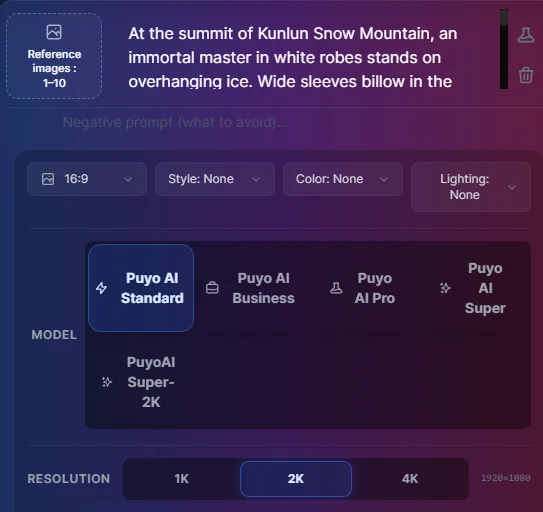

Figure 1-25: Xianxia Illustration — Four Layers of Mood: Character, Spirit Creature, Distant View and Light Effects
This prompt’s mood is built from four stacked layers: the character layer (white robe, wide sleeves, silver hairband) sets the aura, the spirit-creature layer (a crane carrying a snow lotus) adds immortality, the distant-view layer (cloud seas, snowy peaks, a faint celestial palace) expands the space, and the light-effect layer (cool tones + ice-crystal glimmers) sets the tone — the abstract demand of “ethereal” is broken into four describable dimensions.
Four Fiction Illustration Types: Xuanhuan, Fantasy, Campus and Ruins
Beyond xianxia, fiction illustrations have four other genre directions:Xuanhuan CategoryFocus on grand settings like mythical beasts, wondrous realms and cultivation scenes to strengthen world-building immersion;Fantasy CategoryShow magical elements and otherworldly landscapes to build a fantasy imagination space;Campus CategoryCapture youthful scene details like classrooms and playgrounds to convey a green campus feel;Ruins CategoryBuild dilapidated architecture and ruins with mysterious light and shadow to heighten story suspense:
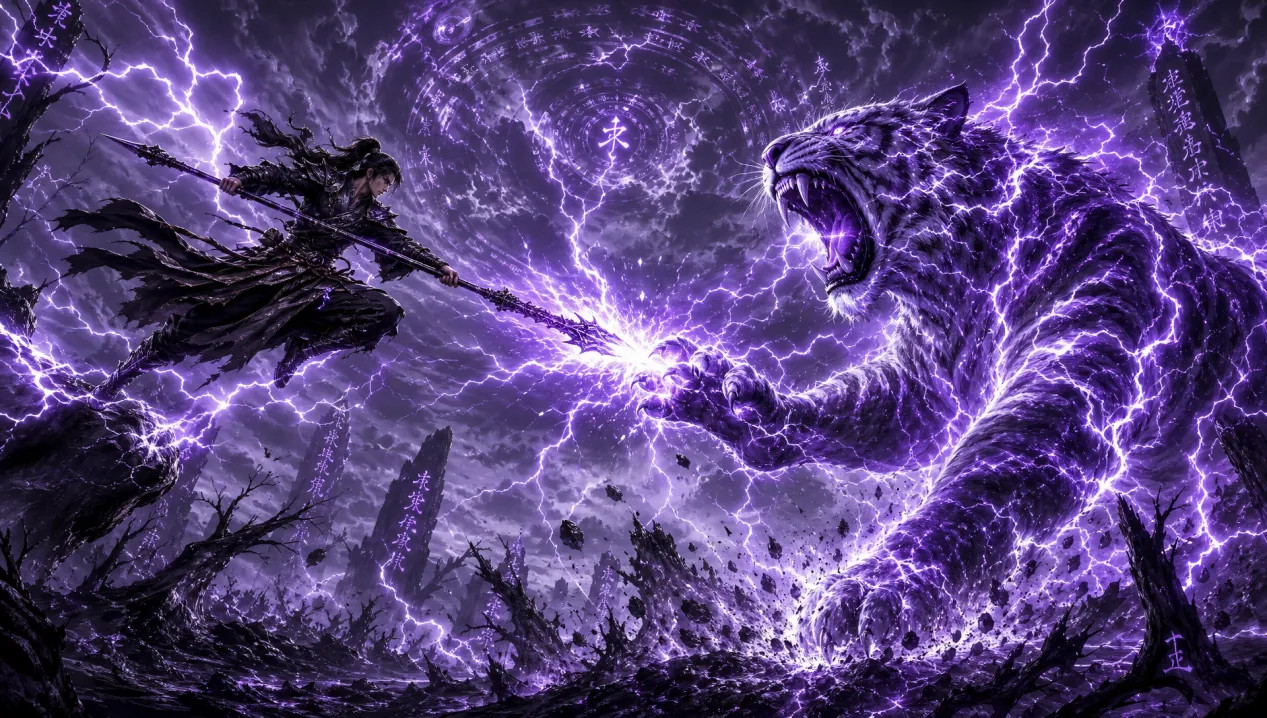
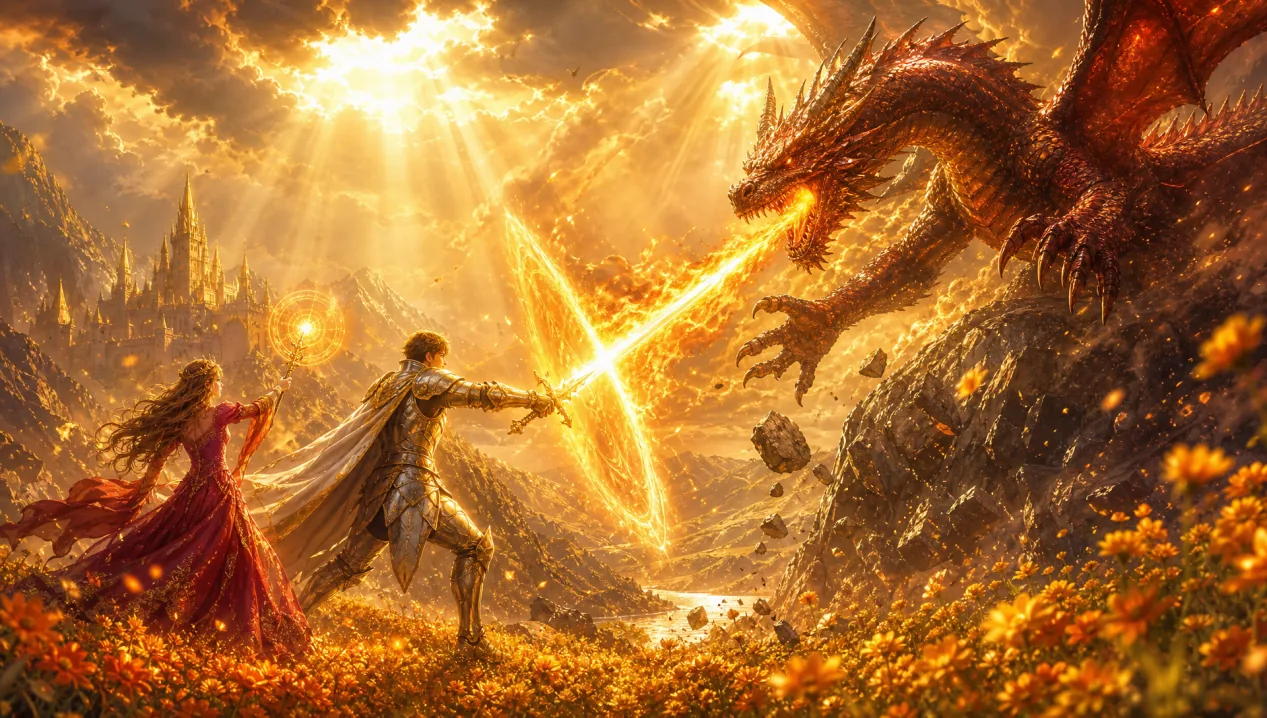
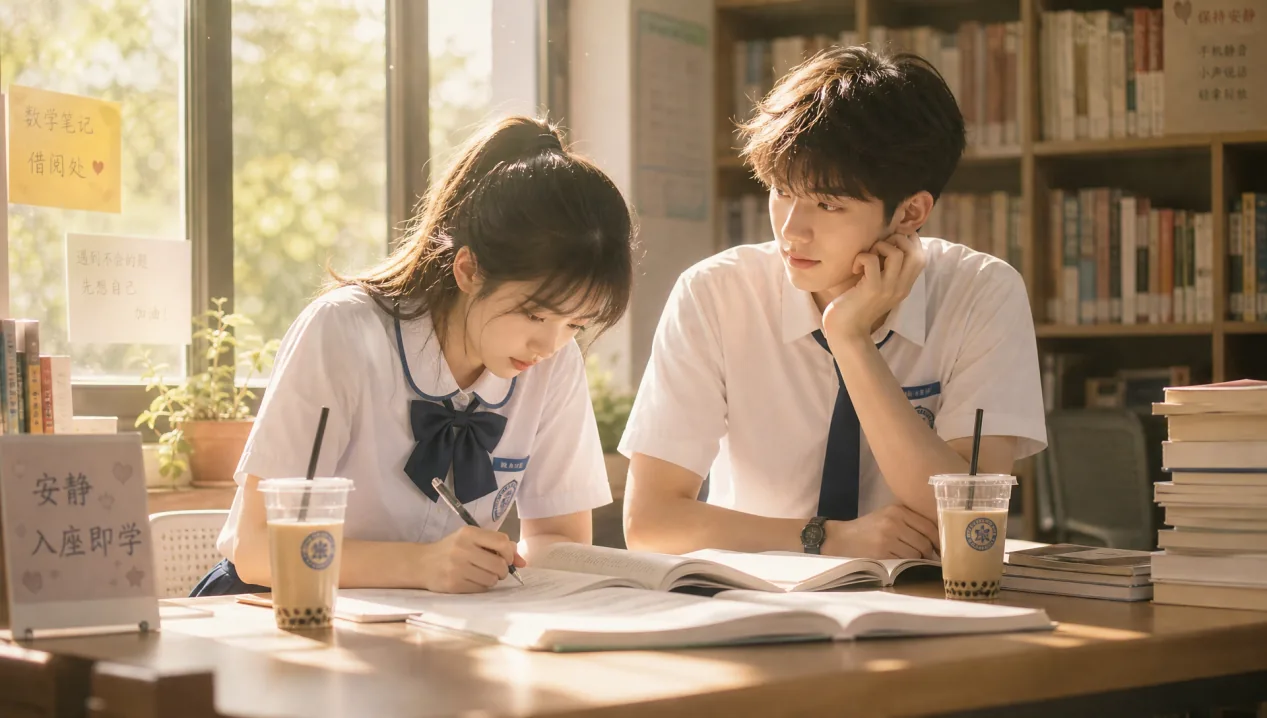
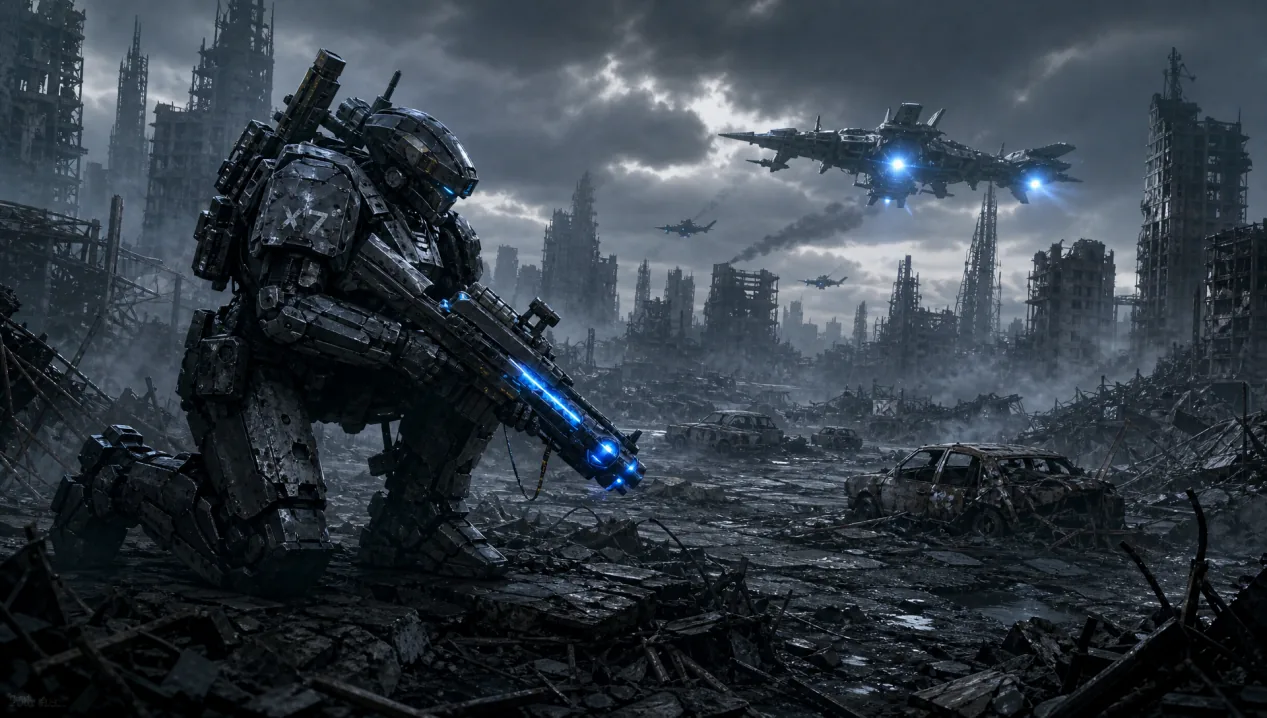
Figures 1-26~1-28: Four Fiction Illustration Types — Genre Tone Determines the Direction of Atmosphere Words
With this, the content creation section is complete: viral covers solve “getting clicked”, e-commerce images solve “getting converted”, content visualization solves “getting shared” — three sections, twelve chapters, one universal prompt methodology. You now hold a full-scenario image arsenal from covers to applications.
FAQFrequently Asked Questions
The questions beginners ask most about this guide
What Matters Most in an Explainer Image?
Scientific Accuracy FirstFollow knowledge accuracy strictly, then use a clean color system, clear annotations and a minimal visual style so users of all backgrounds can grasp the key information quickly — a flashy image with wrong facts is a failed explainer.
How Do You Give Solar-Term Images a Cultural Feel?
Three Layers of Content Stacked: a warm-yellow Jiangnan rice-field photo forms the base, hand-drawn wheat-ear illustrations annotate the seasonal phenomena (first pentad: sow thistles bloom; second pentad: tender grasses wither), and traditional elements like a waterwheel and silkworm cocoons add accents — the photo-plus-illustration mix gives both depth and folk charm.
How Do You Boost Credibility in Personal-Finance Explainer Images?
Use Data Charts and Core Formulasas the core visual. Data visualization brings built-in professionalism, and paired with a minimal style and clear annotations it instantly maximizes credibility, fitting the rational expectations of a popular-science audience.
What Is the Essential Difference Between Fiction Illustrations and Emotional Illustrations?
World-Building FirstEmotional illustrations serve real-life feelings, while fiction illustrations must pull readers quickly into the story world — scene reconstruction, character building and atmosphere all revolve around the genre’s tone (the ethereal quality of xianxia, the suspense of ruins).
How Do You Write the “Ethereal Quality” of a Xianxia Illustration?
Cool Tones + Distant Views + Faint LightRolling cloud seas, snow-capped peaks and a celestial palace faintly visible in the distance create spatial depth, the faint light refracted by ice crystals adds texture, and the white-robed immortal with a silver hairband sets the character’s aura — three layers stacked, and the cool, ethereal mood emerges.
What Should You Watch for in Reality-Based Illustrations Like Campus and Ruins?
Period Feel Through DetailsCampus stories capture youthful details like classrooms and playgrounds to convey a green, awkward charm; ruin stories build dilapidated architecture and mysterious light to heighten suspense — both rely on concrete scene details rather than abstract adjectives to carry the mood.
About the Author: Julia, Veteran AI Image Creator
I have long used AI image generation tools for platform covers, e-commerce images and content visualization, and have guided many complete beginners. Every case, prompt, setting and screenshot in this article comes from real generation records on the Puyo AI platform — not theory, not stitched-together stock material. This article closes the content creation section, completing the full loop of viral covers, e-commerce images and content visualization.
Content adapted and polished from the original material “From Novice to AI Art Pro | Complete Hands-On Tutorial Collection”, with all original prompts and figures preserved. Source: https://www.puyoai.com。
Turn Your Knowledge into One Image
Open the Puyo AI website, pick a solar term or knowledge point you know well, and use the explainer-image formula to make an image worth sharing.
Results are affected by model version and randomness—the same prompt will vary slightly each time it runs; run it a couple of rounds before drawing conclusions.