
AI Fun Creativity and Classic Art:Miniature Cityand Ukiyo-e Hands-On Practice
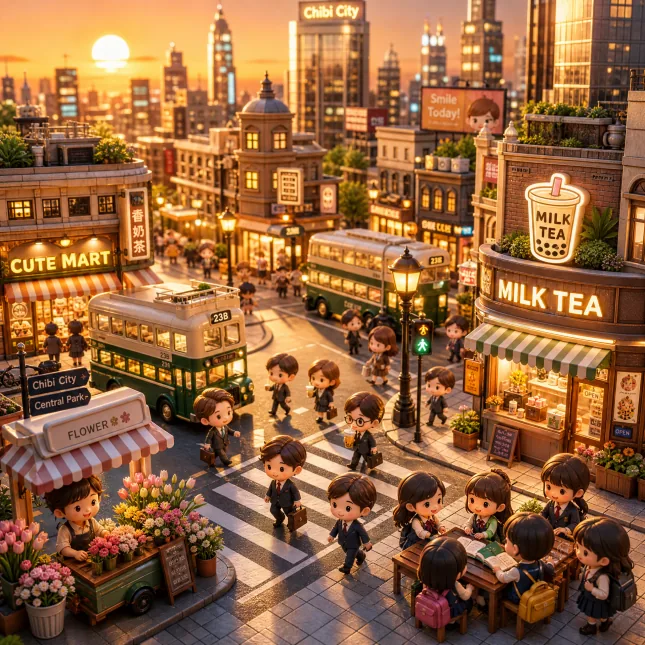
Fun creativity relies on element combinations: chibi 3D figures + miniature scenes + warm golden light make a complete miniature narrative. Artistic interpretation relies on the six-element formula: Subject + Action + Scene + Style Features + Lighting and Composition + Texture, with every segment having a clear job—the most fine-grained prompt structure in the whole series.
What You’ll Take Away
Fun Creativity Hands-On: Chibi Miniature City
Visual creation for fun is about breaking conventions to deliver joy and novelty—it needn’t stick to a fixed form and can freely mix diverse elements. From viral stickers and imaginative illustrations to meme images, this kind of content grabs attention with novel element combinations and humorous presentation; it livens up social feeds and is a key way to release creativity and express personality. The first hands-on case is one of today’s most popular:Miniature City。
Step one: open the Puyo AI image generation page, click the “Model” button, set the image model to “Puyo AI Standard”, and enter the prompt in the input box:
3D cartoon diorama style, panoramic view of a tiny city built with chibi 3D figures. Mini figures in business suits hurry across the zebra crossing, a vendor figure sells tiny flowers on the street, student figures gather around a bench. The city is dotted with miniature skyscrapers, vintage buses and glowing milk tea shop signs, with tiled pavement on the ground. Warm golden dusk light spills over the scene, and soft light reflects on building glass. Fine details preserve the characters’ facial expressions and building textures. Bright and soothing colors, highlighting the lively and lovely vibe of this miniature city.
Setup: set the model to “Puyo AI Standard”, enter the prompt, then set the ratio to 1:1, resolution to 2K, and image count to 1, and click “Create”.
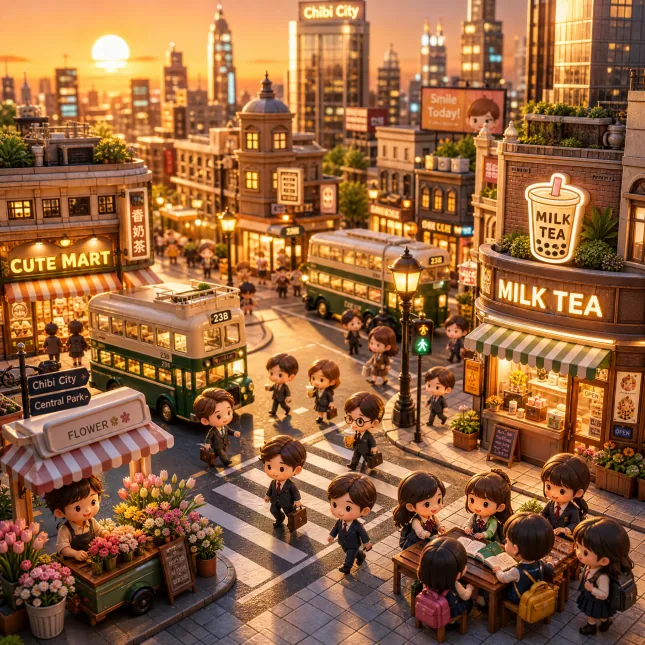
Figure 1-17 Miniature city: a checklist of figure actions carries the whole image
The skeleton of this prompt is an “action checklist”: crossing a crosswalk, selling flowers, sitting on a bench—three actions give the image a sense of time and everyday life; “pocket skyscrapers, a retro bus, a glowing milk-tea shop sign” is the scene checklist; “warm golden dusk light falls” handles the temperature. Checklist-style description is a universal technique for fun creative prompts.
Four Fun Styles: Satisfying, LEGO, Collage, and Cute Animals
Beyond miniature cities, fun creativity has four more popular directions:Satisfying styleUses soft textures and low-saturation tones, with squishy elements for a calming visual experience;LEGO styleFocus on brick construction, with realistic grain detail and a miniature set that feels both playful and warm;Collage styleCreatively combine food and everyday objects into novel shapes, where realistic textures collide with unrestrained imagination;Cute animal theme styleWeave cute animals into everyday life, with endearing gestures that bring out a warm, homey charm:
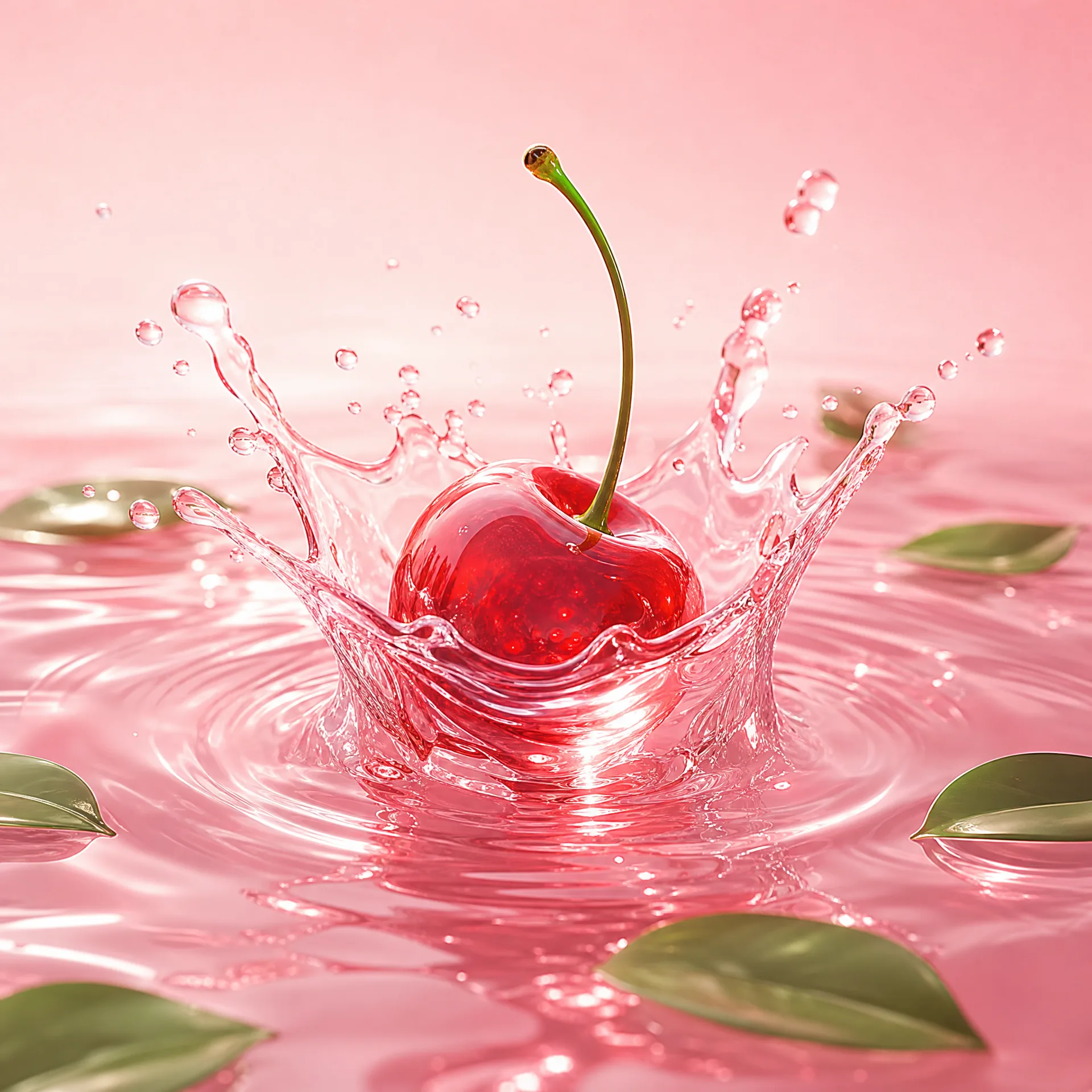
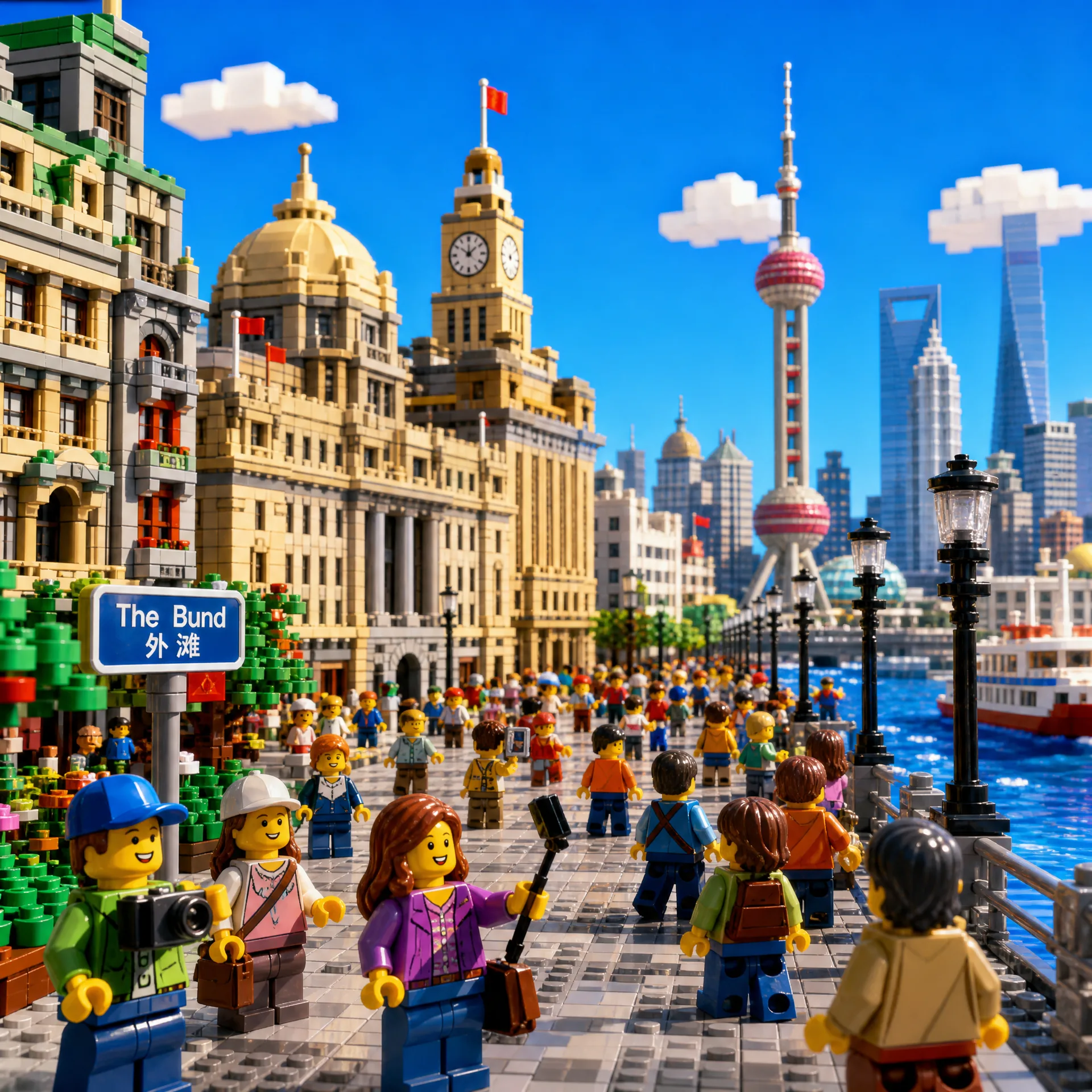
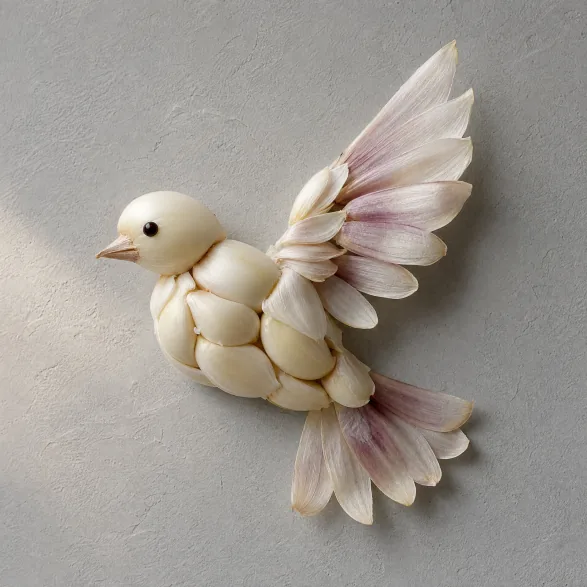
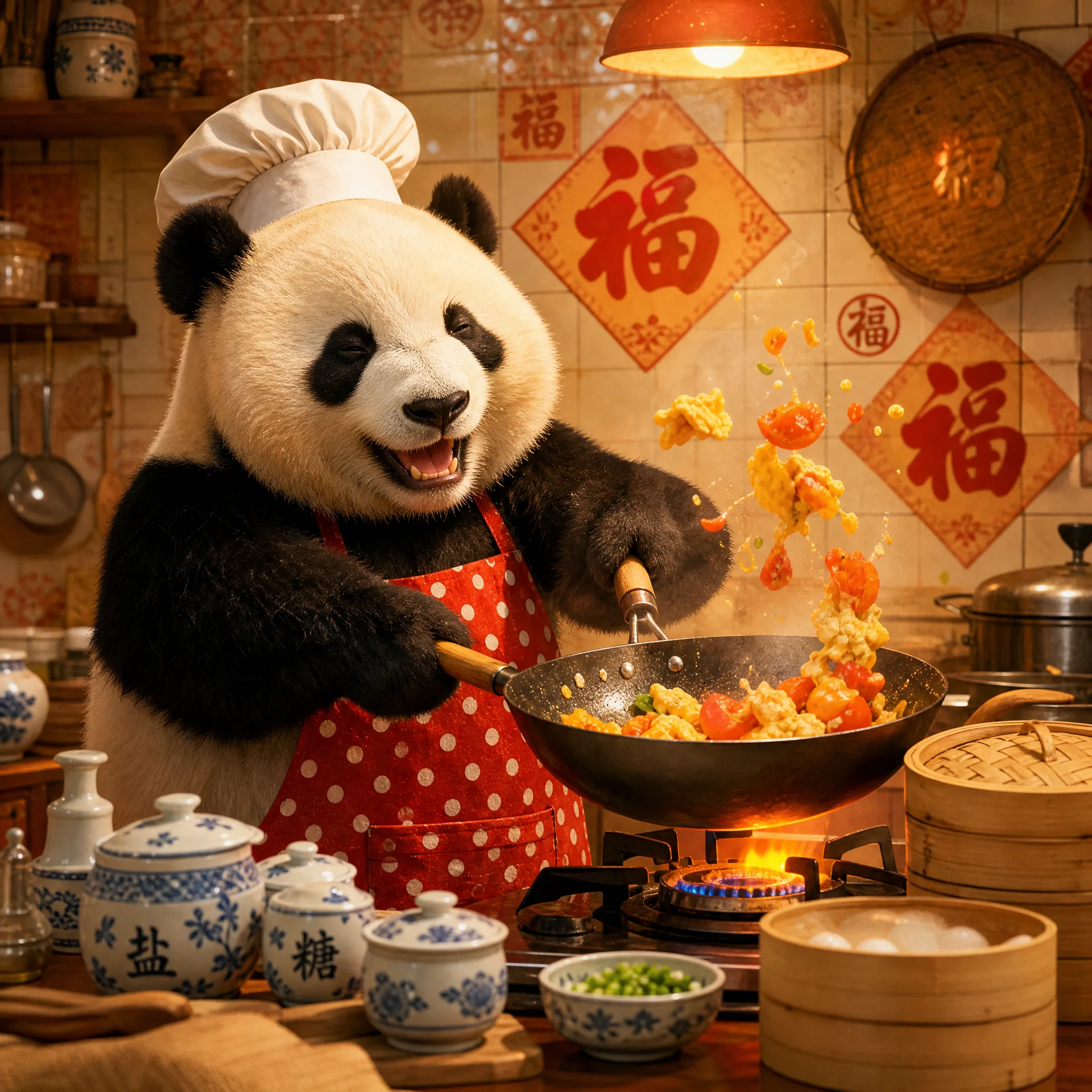
Figure 1-18 Four fun styles: element combinations are where imagination lands
With this, all four threads of the visual-creation section—figures, illustration, comics, and fun creativity—are complete. Next comes the chapter’s finale: artistic interpretation, where the prompt formula levels up as well.
The Six-Element Artistic Interpretation Formula
Artistic interpretation gives a work a distinctive artistic quality with ease—from classic art styles and master techniques to traditional Chinese aesthetics and modern trend design, prompts can render all of it precisely. Art images demand high style purity, so beginners should use this six-element formula directly to control the result:
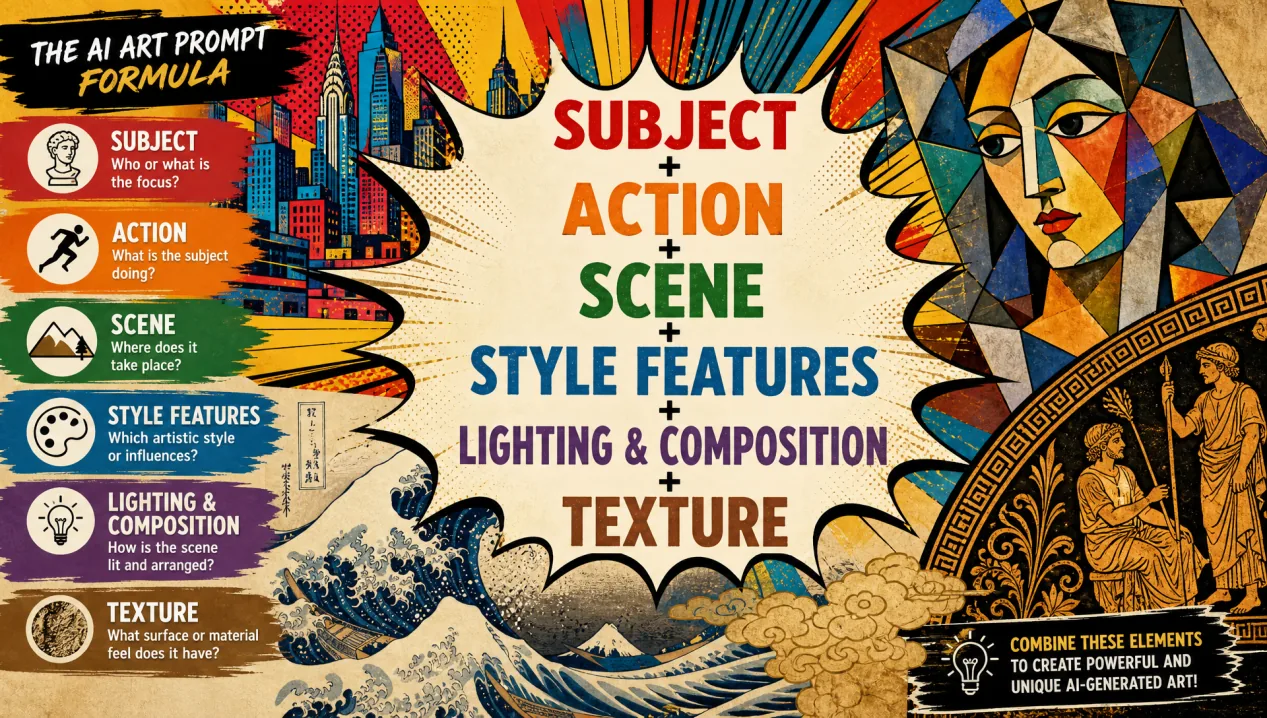
SubjectDefines the core subject of the image with a concrete type (person, scenery, object) rather than a vague description;ActionDescribes the subject’s state, giving the image narrative and energy while keeping the subject from looking stiff;SceneEstablishes the time, place, and atmospheric baseline; environmental elements should match the style;Style FeaturesIs the key to style transfer: distill signature visual traits—for example, ink-wash gradation and expressive blank space in Chinese-style art;Lighting and CompositionTogether they shape visual impact: lighting must suit the style (such as strong side lighting for Van Gogh), and composition must specify the viewpoint and layout;TextureCovers material feel and fine surface texture, chosen to suit the medium that carries the style.
Classic Recreation Hands-On: Ukiyo-e Woodblock Prints
Classic art styles carry the cultural core of their eras, and recreating them traditionally takes solid artistic skill and years of practice; Puyo AI can reproduce works in any style with ease. We’ll start with a ukiyo-e masterpiece—an elegant, vintage Japanese woodblock print. Step 1: open Puyo AI’s image generation interface, click the “Model” button, set the image model to “Puyo AI Standard”, and enter the prompt in the input box:
Japanese Ukiyo-e woodblock print style. The main subject is a geisha holding an oil-paper umbrella, standing beneath cherry blossom trees. In the background are distant Mount Fuji and shimmering sea waves. The waves are outlined with classic Ukiyo-e curved lines, and cherry petals drift down. Delicate and smooth strokes, distinct woodcut texture. It retains the flat composition and traditional patterns characteristic of Ukiyo-e. Elegant and vintage overall.
How to: set the model to “Puyo AI Standard”, enter the prompt, set the ratio to 16:9, the resolution to 2K, and the number of images to 1, then click “Create”.
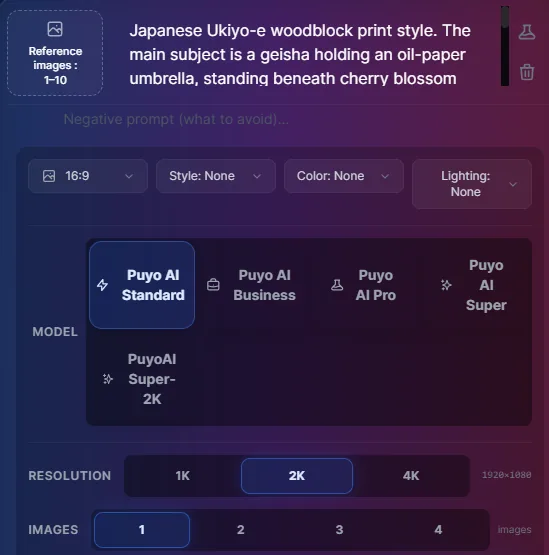
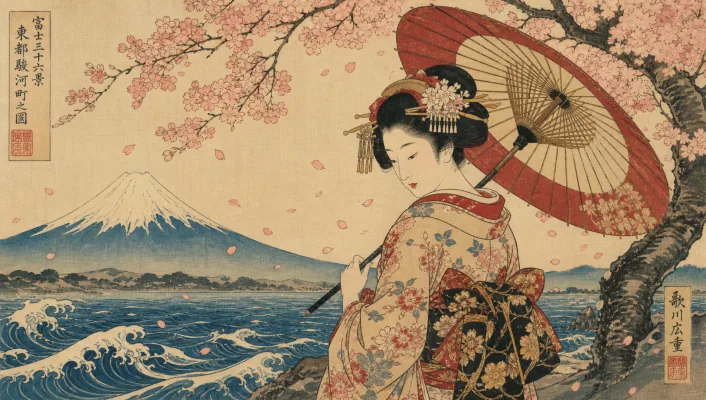
Figure 1-20 Ukiyo-e: write the content layer and style layer in separate sentences so they don’t interfere
Read this prompt against the six elements: subject (geisha) + action (standing with an umbrella) + scene (cherry tree, Mount Fuji, sea) form the content layer; style features (woodblock texture, flattened composition, traditional patterns) + texture (fine, flowing lines) form the style layer. Write the two layers separately and let each do its own job—that’s what makes the style hold up.
Other classic styles each have their own flavor:Pop ArtUses bold, exaggerated commercial symbols for strong visual impact;Baroque styleShowcases ornate European courtly grandeur and dramatic tension;Rococo styleCentered on soft, refined European pastel tones and a romantic mood;Cyberpunk styleFocus on neon light and mechanical tech in a future city:
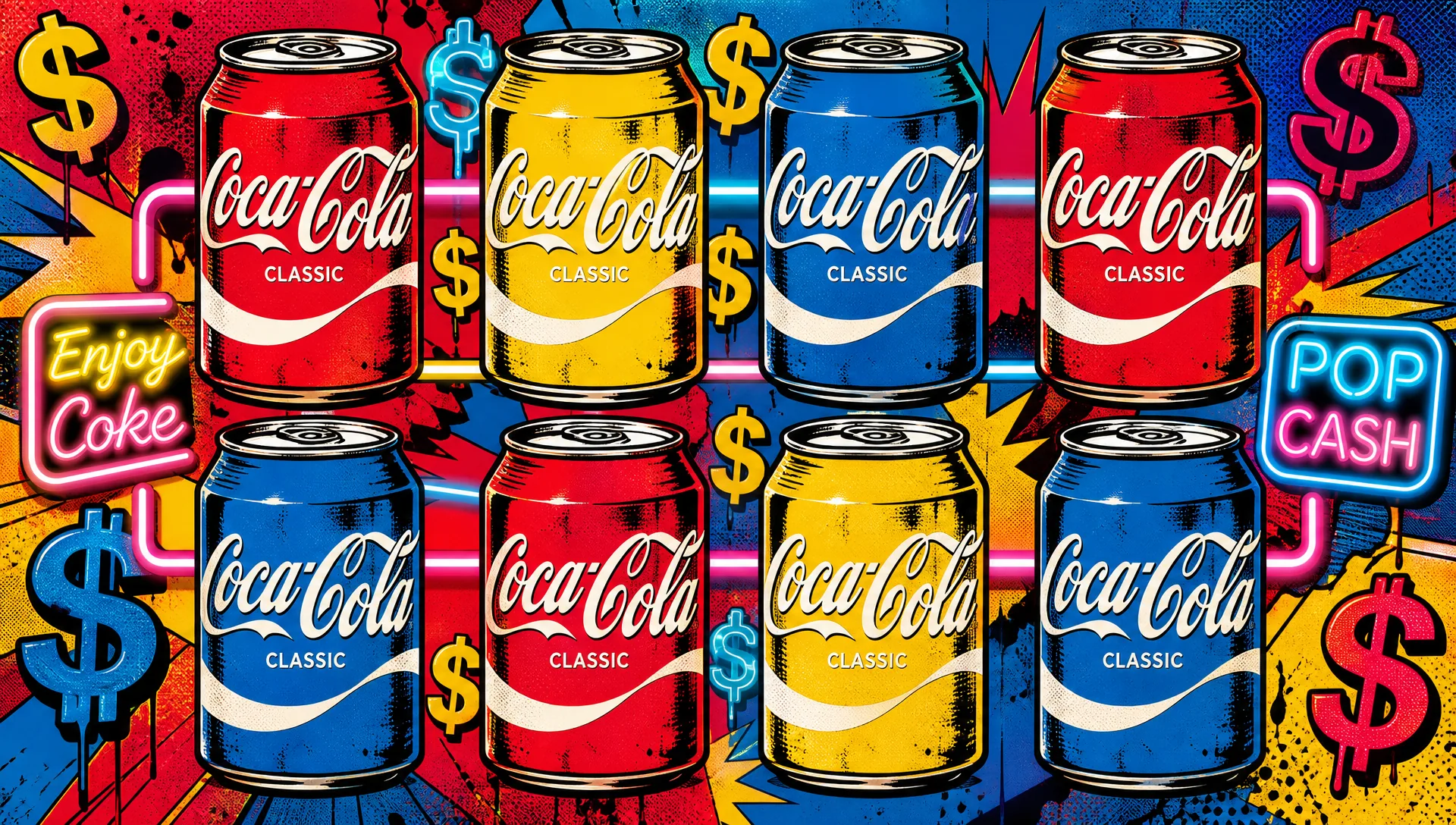
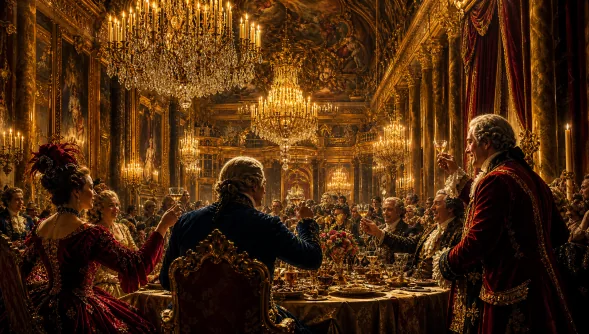
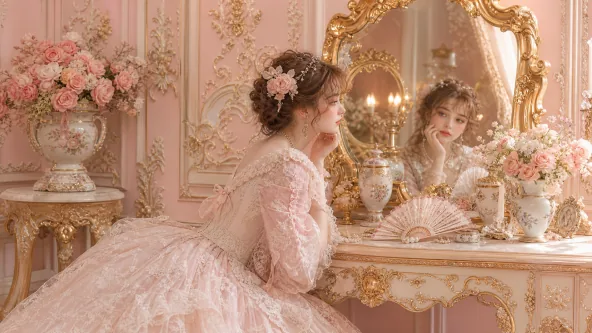
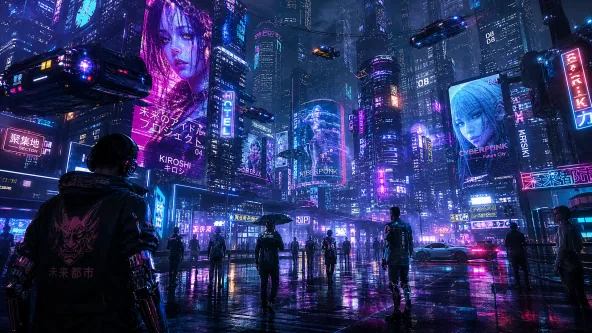
Figure 1-21 Four classic styles: the six-element formula is universal—just swap the Style Features segment
The six-element formula works identically across all four styles—only the Style Features segment changes. The next piece applies it to two Eastern and Western masters and five Chinese-style crafts to see how much variety that segment can carry.
FAQFrequently Asked Questions
The questions beginners ask most about this guide
What’s the difference between fun creative images and ordinary AI images?
Focus on Rule-Breaking Element Combinations. Viral stickers, imaginative illustrations, and meme images all draw attention through novel element combinations and humorous presentation—a phrase like “creatively combine food and everyday objects” is exactly where that imagination lands.
What should a miniature city prompt focus on?
Distributing the Figures’ Actions. A suited figure crossing the crosswalk, a vendor selling miniature flowers, students sitting around a bench—each action is a visual focal point, and paired with a scene checklist of pocket skyscrapers, a retro bus, and a glowing milk-tea shop sign, the image feels busy and believable.
Why are art-style prompts longer?
All Six Elements Are Essential. Artistic styles are recognized by signature visual traits: subject, action, and scene carry the content; lighting and composition create impact; texture builds immersion—skip any one and the style loses its purity.
What are the key terms for ukiyo-e style?
Four Signatures: woodblock-print texture, classic ukiyo-e curling waves, flattened composition, and traditional patterns. In the case study, the geisha, oil-paper umbrella, cherry blossoms, and Mount Fuji are the content layer; these four signatures are the style layer—write both.
How do you write modern styles like cyberpunk?
Capture “Neon Light and Mechanical Tech”: a future city at night, neon signs, and wet-pavement reflections are the three essentials; keep the palette mostly blue, violet, and pink, then layer in mechanical elements.
Can different art styles be layered?
Yes, but keep a clear hierarchy. For example, “ukiyo-e in a cyberpunk style” needs a clear dominant style and a specific fusion point—use ukiyo-e’s flat composition to carry cyberpunk’s neon colors, rather than simply placing two words side by side.
About the Author: Julia, Veteran AI Image Creator
Years of using AI image tools for photography-grade shots, stylized illustration, and art recreation, and of guiding complete beginners. Every case, prompt, setting, and screenshot in this article comes from real generation records on the Puyo AI platform—not theory, not stitched-together stock material. Classic recreation has a second half too—the next piece moves into master painting styles and Chinese-style art to take artistic interpretation further.
Content adapted and polished from the original material “From Novice to AI Art Pro | Complete Hands-On Tutorial Collection”, with all original prompts and figures preserved. Source: https://www.puyoai.com。
Build Your Own Miniature City
Open the Puyo AI website, swap the little figures in the miniature city for your family and friends, and generate a one-of-a-kind miniature panorama.
Results are affected by model version and randomness—the same prompt will vary slightly each time it runs; run it a couple of rounds before drawing conclusions.