How Do You Generate AI Illustrations and Comics:Style-Driven SubjectsPrompt Hands-On Practice
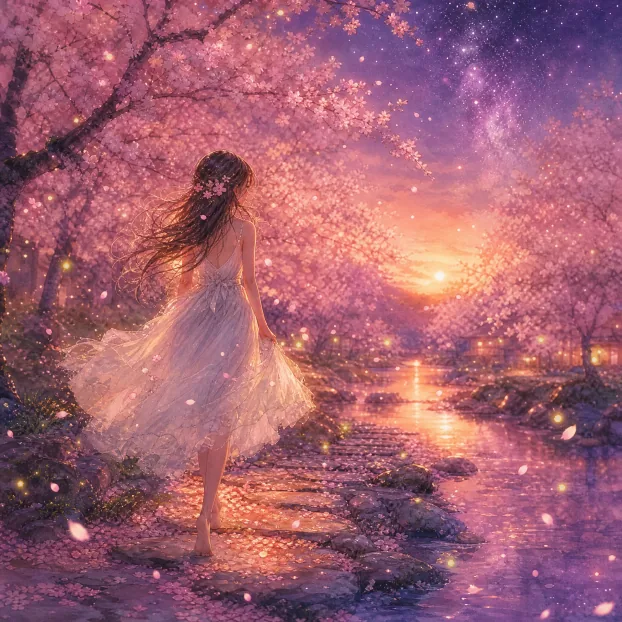
The core of a style-driven prompt is “texture and color constraints”: watercolor texture + soft gradient lighting + naming the dominant palette locks the style in one step; mood words (romantic and dreamlike, warm and childlike) handle emotion, and negative words (no hard outlines, no strong shadows) keep the style pure.
What You’ll Take Away
The Key to Illustration Style: Texture and Color Constraints
Illustration is a key medium that fuses creative expression with visual beauty, conveying emotion and telling stories through artistic language. Traditional illustration demands years of accumulated drawing technique and aesthetic judgment—subject positioning, visual element matching, color harmony, and composition all need repeated refinement, a barrier most creators struggle to cross. Puyo AI lowers that barrier to “being able to describe”: no professional drawing background needed, just a precise prompt.
For style-driven subjects the formula’s emphasis differs from photography: the equipment-parameters segment can be dropped,Texture and Color ConstraintsYou must write them in full. Below is a complete hands-on walkthrough with a dreamy illustration. Step 1: open Puyo AI’s image generation interface, click the “Model” button, set the image model to “Puyo AI Standard”, and enter the prompt in the input box:
A beautiful illustration of a spring cherry blossom grove. Pink and white cherry petals drift down everywhere. A girl in a white tulle dress walks barefoot on a stone path carpeted with fallen blossoms. A stream reflects the sunset glow in the distance, the starry sky slowly emerges, and fireflies flit around her. Watercolor texture, soft gradient lighting. The palette is dominated by pink-purple and warm orange tones, with delicate, hazy lines. The background is blurred to highlight the main subject. The whole scene is romantic and dreamy. Fine details depict petal textures and the girl’s hair strands, with no sharp hard outlines.
Setup: set the model to “Puyo AI Standard”, enter the prompt, then set the ratio to 1:1, resolution to 2K, and image count to 1, and click “Create”.
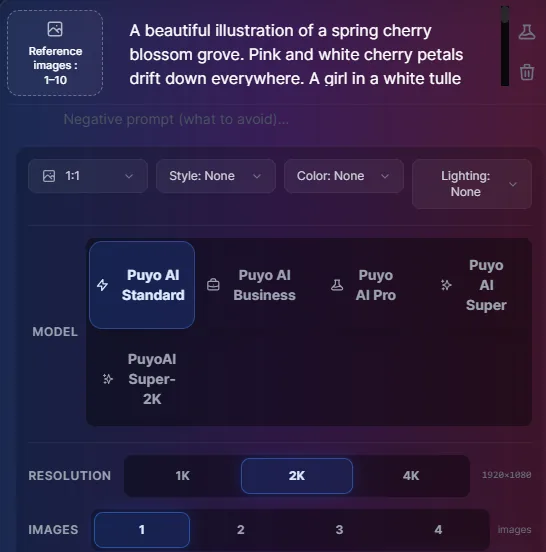
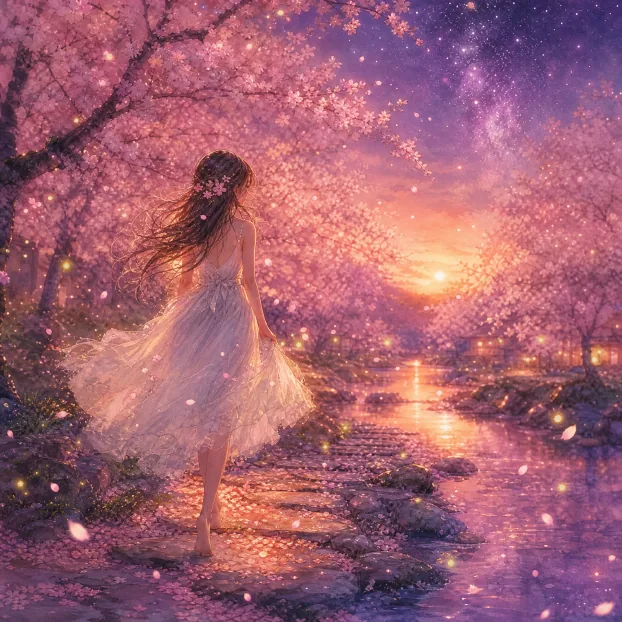
Figure 1-13 Cherry-blossom illustration: texture, color, and mood lock the style in three segments
Three things truly “set the tone” in this prompt: “watercolor texture, soft gradient lighting” locks in the medium; “mainly pink-violet and warm orange” locks in the palette; and the negative phrase “no hard outlines” holds the overall hazy watercolor feel. Scene elements (a stream at dusk, fireflies) enrich the image without interfering with the style.
Four Illustration Styles: Picture Book, Crayon, Sci-Fi, and Chinese Style
Beyond dreamy aesthetics, illustration has four more widely used styles:Picture-book illustrationA healing style with soft, clean lines, suited to children’s books;Crayon illustrationHas naive hand-drawn texture with bright, playful color;Sci-Fi illustrationFocuses on interstellar and futuristic themes, highlighting a tech feel and epic atmosphere;Chinese-style illustrationBlends expressive ink wash to bring out classical Eastern charm and Jiangnan scenery:
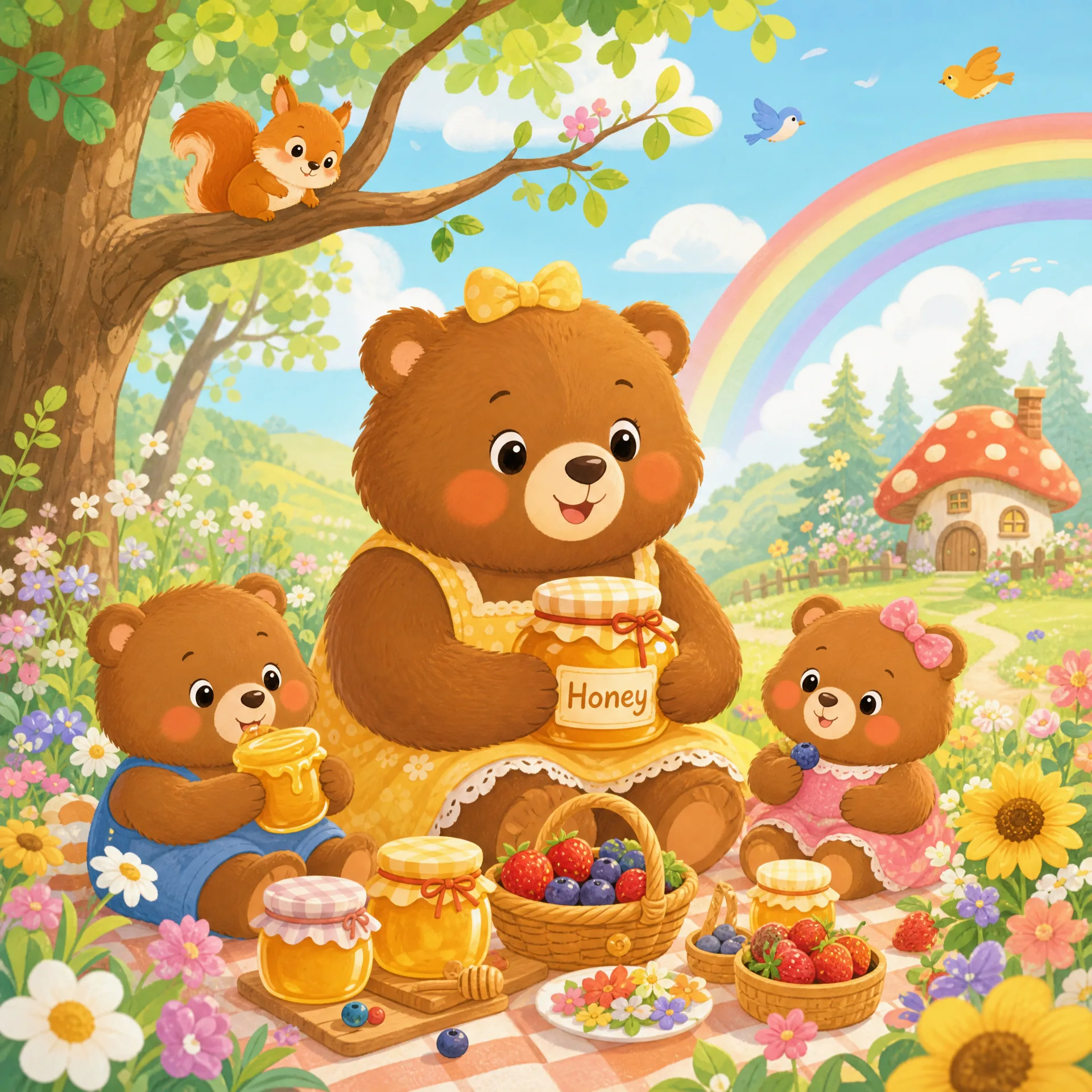
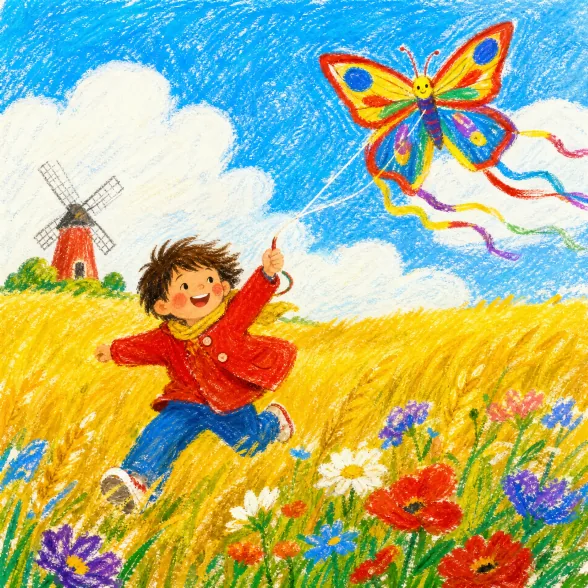
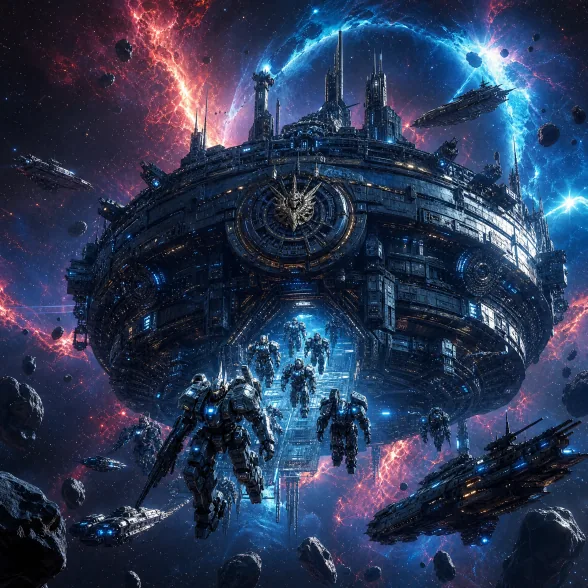
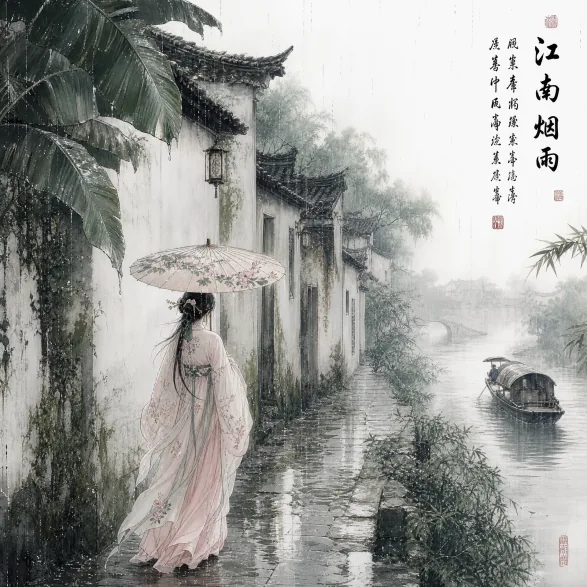
Figure 1-14 Four illustration styles: changing the texture words changes the art style
The difference between the four styles lies entirely in the texture segment: picture book needs “soft rounded lines,” crayon needs “naive texture,” sci-fi needs “tech lighting effects,” and Chinese style needs “ink-wash gradation.” Keep the subject and composition segments stable, and switching styles is just a matter of swapping one block.
Comic Hands-On: Healing Miyazaki Style
Comics combine narrative and visual expression: panel design, character shaping, and story pacing can be freely combined—equally suited to light, healing everyday shorts and grand fantasy sagas. Traditional comics demand serious drawing skill, but Puyo AI can generate comics in any style and narrative need from a precise prompt. We’ll start with the most classic: Miyazaki style.
Step one: open the Puyo AI image generation page, click the “Model” button, set the image model to “Puyo AI Standard”, and enter the prompt in the input box:
Hayao Miyazaki anime style. A girl and a cat sit side by side under an old camphor tree in summer rice fields. Smoke curls gently from a windmill cottage in the distance, and fireflies flit around them. Soft lines with watercolor texture, fresh and healing colors. Flowers and streams decorate the background. No harsh shadows. The whole scene is warm and childlike, full of natural charm, with delicate facial expressions on the characters.
Setup: set the model to “Puyo AI Standard”, enter the prompt, then set the ratio to 1:1, resolution to 2K, and image count to 1, and click “Create”.
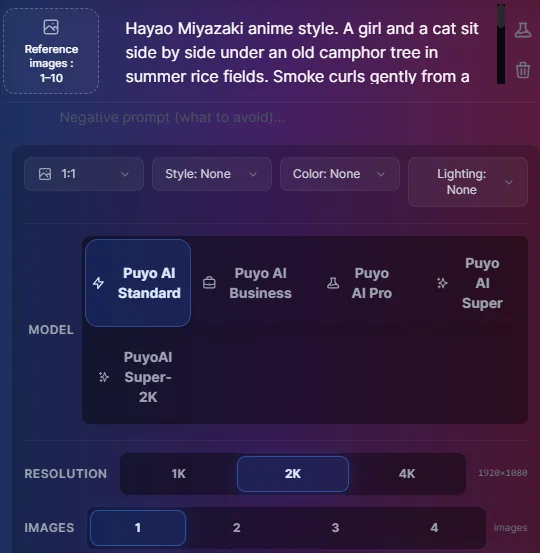
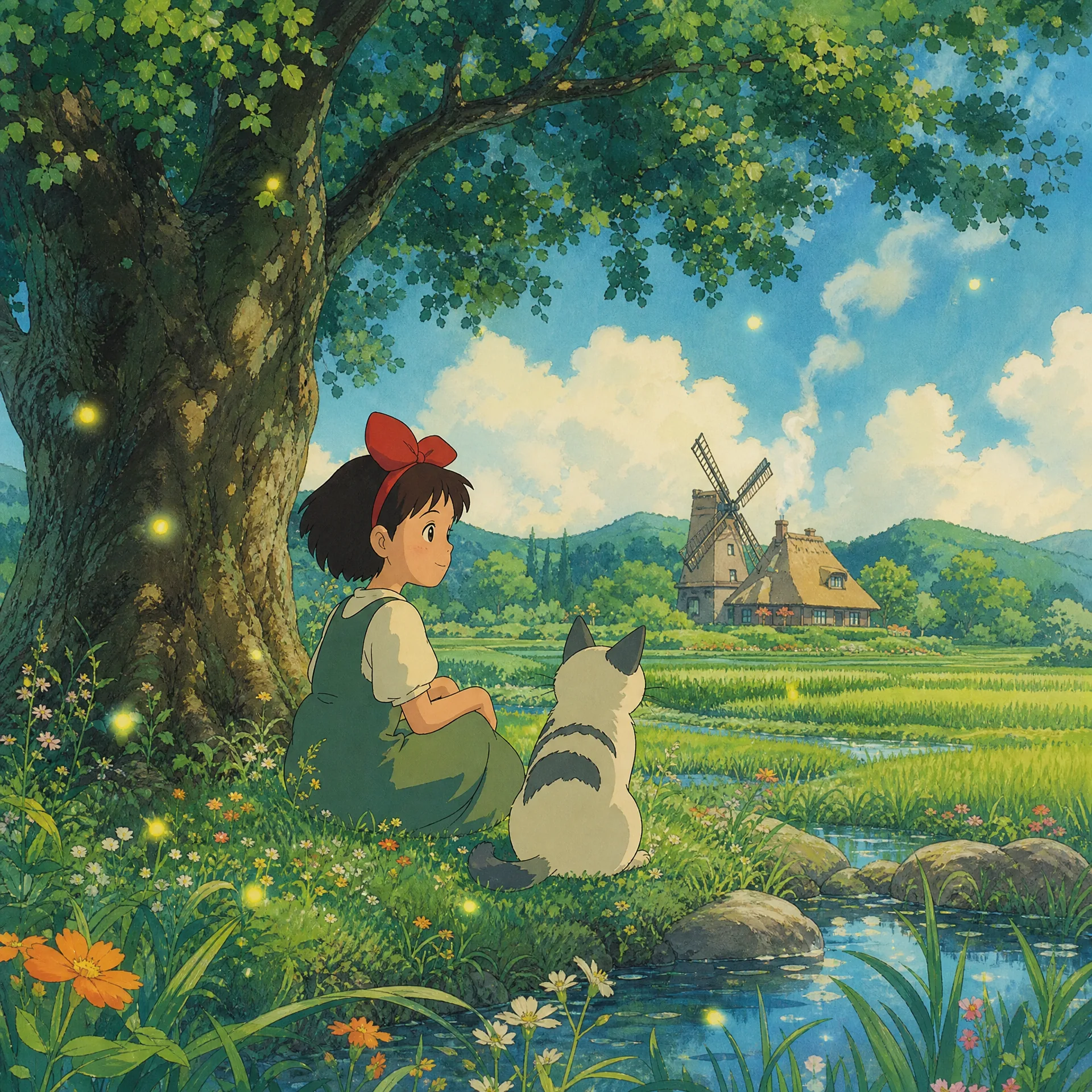
Figure 1-15 Miyazaki-style comic: scenic storytelling + soft texture = a healing mood
Read alongside the cherry-blossom illustration, it’s fascinating: both use watercolor texture and mood words to set the tone, but the comic version addsNarrative Character Relationships—”a girl and a cat sitting side by side” is the story itself. Putting the style keyword at the very start (Miyazaki anime style) is a practical habit for comic prompts: set the tone first, and the AI aligns to the style from the first word.
Four Comic Styles: Makoto Shinkai, American, 3D Cartoon, and Webtoon
Beyond Miyazaki, four comic styles each have their own following:Makoto Shinkai styleLeads with color and emotion, delicate lighting, romantic and wistful tones;American comicHard-edged tension, with heavy black outlines and high-contrast color;3D cartoon-rendered comicsHas dimensional texture, bright colors, and a whimsical, cute style;WebtoonMobile-friendly, with clean panels and a relaxed pace:
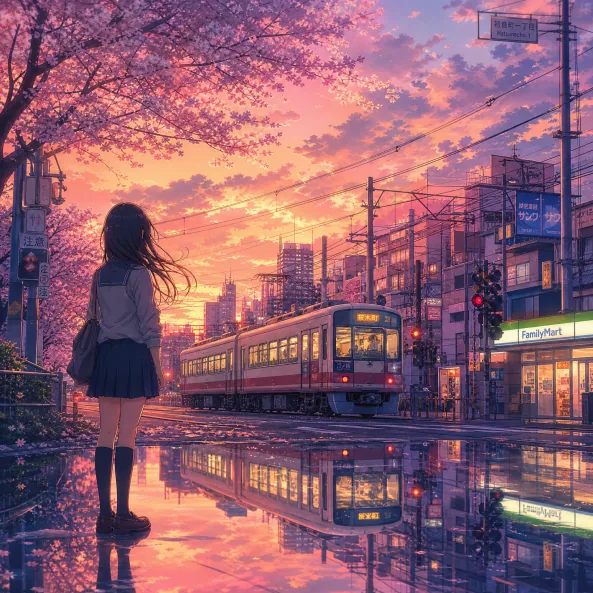
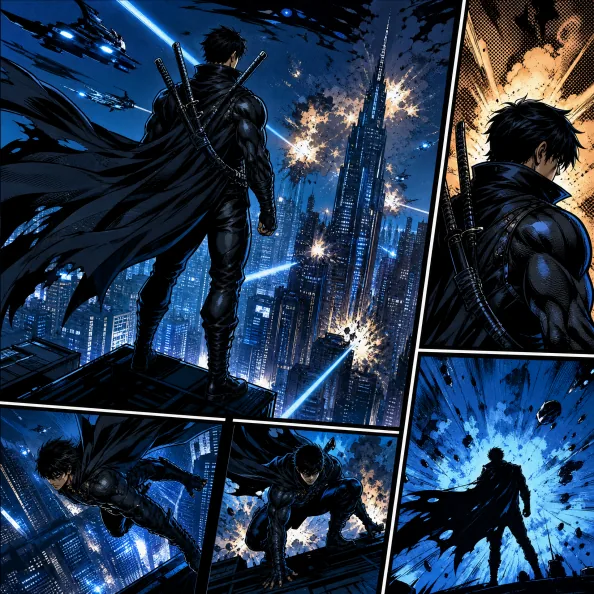
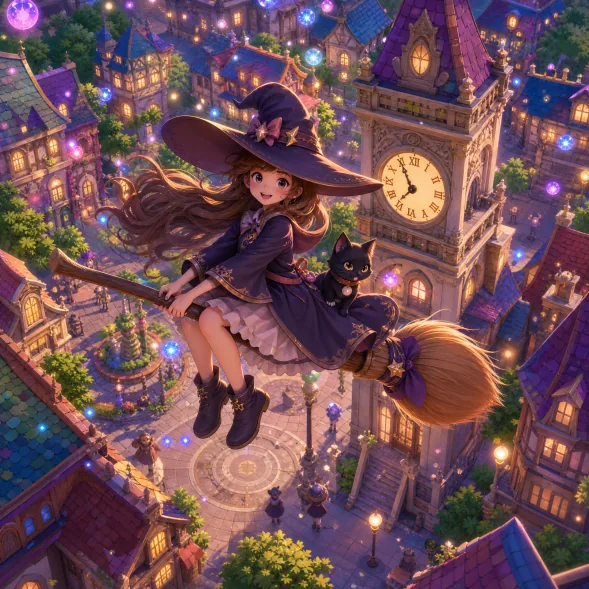
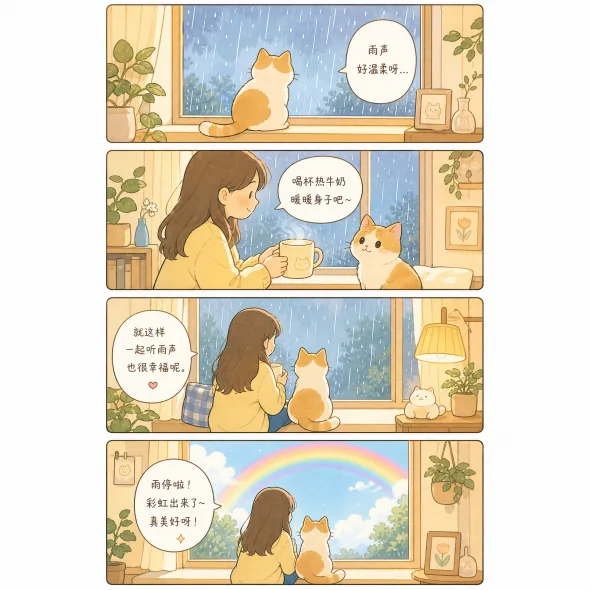
Figure 1-16 Four comic styles: put the style keyword first, then follow with narrative elements
With illustration and comics done, you now have eight ways to write the “style positioning” segment of the four-part formula. Next comes fun creativity—turning wild ideas into images—and the formula’s upgrade to the six-element artistic interpretation version.
FAQFrequently Asked Questions
The questions beginners ask most about this guide
Without a drawing background, how usable are AI illustrations?
Absolutely Enough. Illustration traditionally takes years of drawing practice, but with Puyo AI a precise prompt is enough to land the idea—name the subject, the texture (such as watercolor), the dominant palette, and the mood words, and the result is ready for social posts and content creation.
Why do my illustrations come out stylistically muddled and not look like watercolor?
The Texture Words Got Diluted. “Watercolor texture, soft gradient lighting, fine hazy lines” should be written as one complete block, backed up by the negative phrase “no hard outlines”; writing only “watercolor style” is easily dragged toward realism by the rest of the description.
What are the key terms for Miyazaki style?
Four Elements: soft watercolor lines, fresh healing colors, natural scenery (rice paddies, old trees, a windmill cottage), and no strong shadows. With all four present in the example prompt, the result is textbook hand-drawn healing style.
How different are illustration and comic prompts?
Same Framework, Different Emphasis. Illustration is about the texture and emotion of a single frame; comics additionally need narrative elements—character relationships (a girl and a cat sitting side by side) and scene details (curling chimney smoke, drifting fireflies) together build the sense of story.
How does a webtoon differ from a single illustration?
Webtoons Suit Mobile, so the prompt should stress “clean panels, relaxed pacing”; a single illustration focuses on the complete composition of one frame. They also differ in ratio—webtoons usually use a tall vertical canvas.
How do you capture the charm of Chinese-style illustration?
Capture the phrase “expressive ink wash”, then layer in Jiangnan scenery—small bridges over flowing water, pavilions in misty rain. Chinese style is recognizable by ink-wash gradation and blank space; keep the palette light and elegant, and avoid high saturation.
About the Author: Julia, Veteran AI Image Creator
Years of using AI image tools for photography-grade shots, stylized illustration, and art recreation, and of guiding complete beginners. Every case, prompt, setting, and screenshot in this article comes from real generation records on the Puyo AI platform—not theory, not stitched-together stock material. After illustration and comics, the next piece moves into fun creativity and classic art recreation, taking both the playbook and the polish up a level.
Content adapted and polished from the original material “From Novice to AI Art Pro | Complete Hands-On Tutorial Collection”, with all original prompts and figures preserved. Source: https://www.puyoai.com。
Draw Your First Illustration
Open the Puyo AI website, swap the cherry-blossom scene for your hometown or favorite season, and generate a watercolor illustration of your own.
Results are affected by model version and randomness—the same prompt will vary slightly each time it runs; run it a couple of rounds before drawing conclusions.