In Practice
-
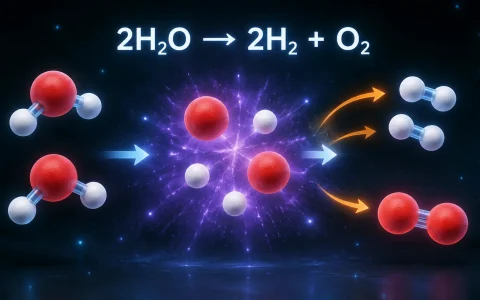
How to Generate AI Science Diagrams:Molecules and LandformsAnd a Biological Process Hands-On
Science diagrams are a must in science classes: the spatial arrangement of molecules, the evolutionary texture of landforms and the dynamic mechanisms of biology can only be explained clearly with images. This article’s three hands-ons span chemistry, geography and biology — learn the staged-presentation diagram formula in one go.
-
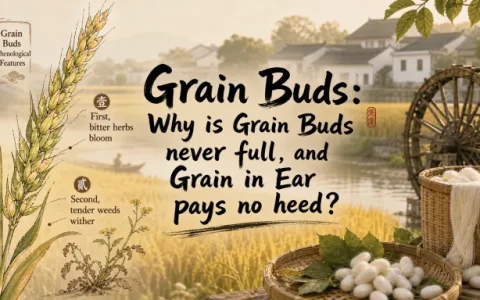
Knowledge Explainer Images and Fiction Illustrations:The Grain Buds Solar TermAnd a Kunlun Xianxia Hands-On
The last stop in content visualization has one end in “drawing knowledge accurately” and the other in “bringing stories to life”. This article wraps up with two hands-ons — a Grain Buds solar-term explainer and a Kunlun xianxia illustration — where science and imagination use the very same four-part formula.
-
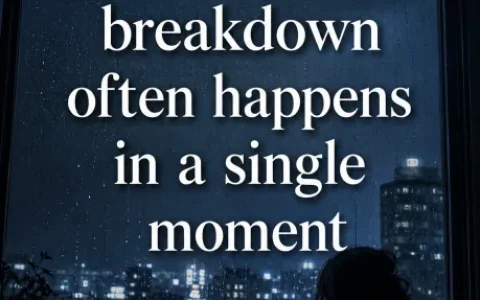
Douyin Covers and Product Images:Emotional ResonanceAnd the Banana Cup Hands-On
Douyin covers compete on “one-second empathy”, product images on “love at first sight”. This article wraps up the four major platforms with a Douyin emotional cover, then moves into e-commerce: a banana cup product-image hands-on plus an advanced technique for reverse-engineering design sketches with AI.
-
How to Make AI Viral Covers:The Universal Formulaand Bilibili Cover Hands-On Practice
The cover is the content’s “calling card”—it directly decides whether users click. This piece first explains the five-part universal formula for viral covers, then walks through a complete Bilibili explainer cover workflow—the cover logic of all four platforms unfolds piece by piece across this series.
-
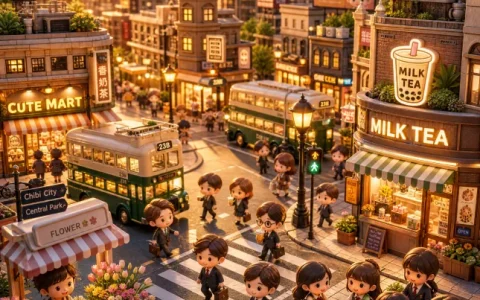
AI Fun Creativity and Classic Art:Miniature Cityand Ukiyo-e Hands-On Practice
Earlier pieces were about “recreating”; this one starts “creating”: first a playful miniature city, then an upgrade to the six-element artistic interpretation formula, using ukiyo-e to recreate a classic—the prompts get finer-grained and the results more refined.
-
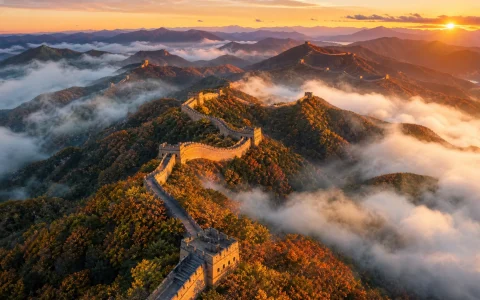
AI Architecture Photography and Creative Figures: Great Wall Aerial Shot and ID Photo in Practice
Architecture is the subject that tests spatial awareness most in photography simulation, while people are the most versatile canvas for visual creation. This piece closes out the photography-simulation series with a landmark aerial shot, then moves into visual creation—one four-part formula takes you all the way from formal ID photos to chibi avatars.
-
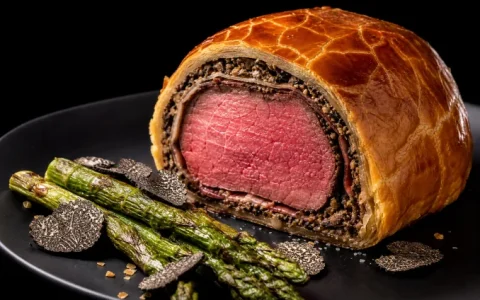
AI Food Photography and Portrait Photography: Commercial-Grade Portrait Prompt Templates
Food and portraits are the two most in-demand image types on social media: businesses need menu shots and promotional images, while individuals want avatars and lifestyle photos. This guide walks you through two complete hands-on cases to show how to nail food photography and portrait photography in AI in a single pass—and how to tune the parameters and the mood words separately.
-
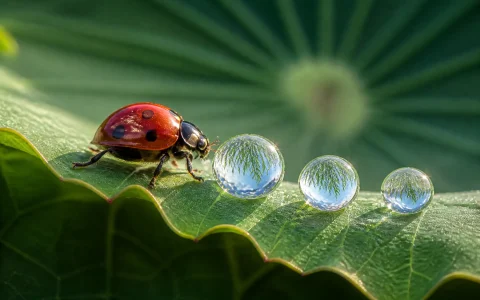
How to Use AI Photography Simulation:Prompt Formulaand Landscape Photography Hands-On Practice
No camera, no waiting outside for the right weather—a single prompt can produce photography-grade work rivaling a professional shooter. That’s AI photography simulation. This piece explains its prompt formula, walks through a full landscape workflow, and closes with four specialty landscape variations.
-
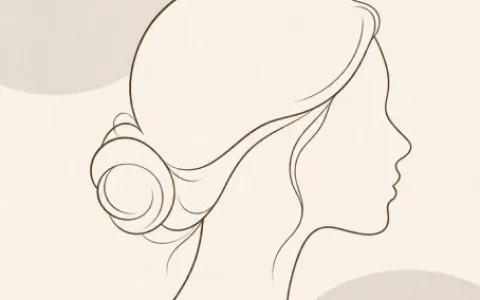
Instagram-Style Minimalist Avatars and Xiaohongshu Check-In Illustrations: Two Prompt Sets Ready to Use
Visual expression on social media is all about personalization: avatars should be simple and premium, check-in images fresh and cozy. This guide gives two complete prompt sets — copy-ready verbatim with parameters and ratios preconfigured — paste and shoot instantly.